
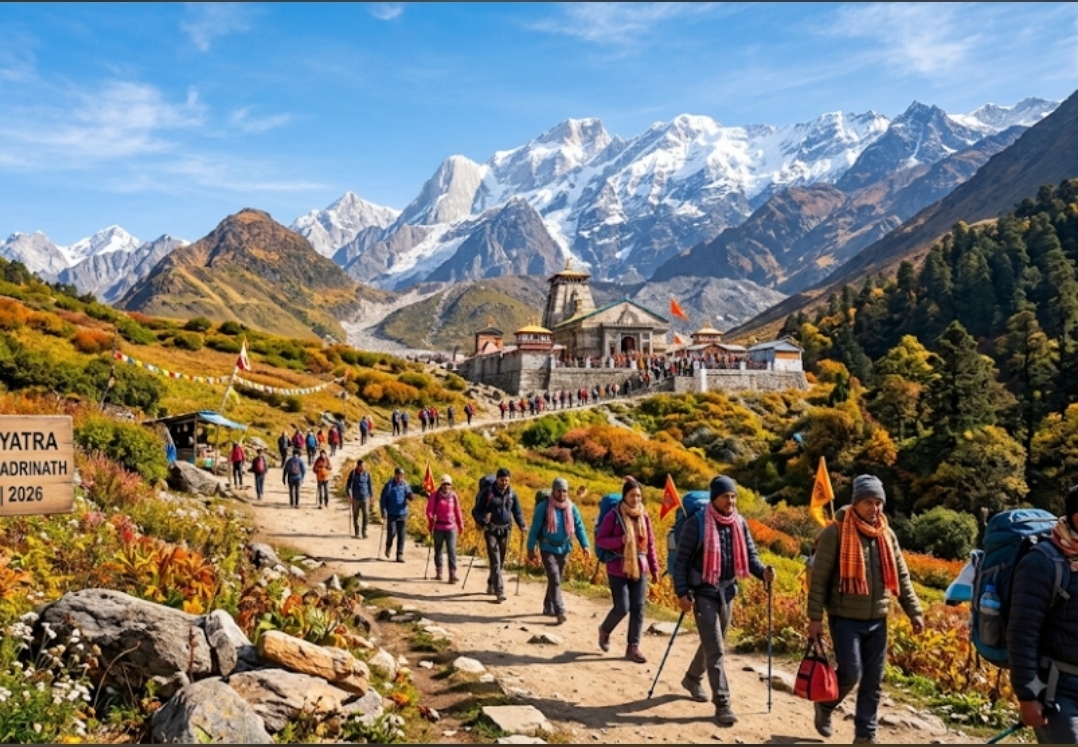
Chardham yatra in September October month (Best Time to Travel)
Quick Overview
Ideal Duration
10-12 Days
Best Season
September to October
Dham Order
Yamunotri → Gangotri → Kedarnath → Badrinath
Why September and October Offer the Best Himalayan Experience
The post-monsoon months bring stable weather, crisp blue skies, and lush green valleys, making it the most peaceful and scenic time for the holy pilgrimage.
- Crystal clear mountain views and snow-peaked vistas
- Significantly lesser crowds compared to May and June
- Safe and dry trekking trails after the monsoon
- Pleasant daytime temperatures for comfortable driving and walking
Introduction to Chardham Yatra in September and October
The sacred Chardham Yatra is one of the most revered and spiritually uplifting journeys in the Hindu religion. Every year, millions of devotees from across India and around the world travel to the high-altitude Himalayan shrines of Yamunotri, Gangotri, Kedarnath, and Badrinath. While the Yatra opens in the scorching heat of May, choosing the right time to visit can completely transform your experience. If you are looking for a journey that offers divine peace, stable weather, and breathtaking views without the overwhelming summer crowds, then the post-monsoon months of September and October are undeniably the best time to embark on this holy pilgrimage.
As the heavy monsoon rains begin to withdraw by late August, the mountains shed their moody, misty veil and put on a fresh, vibrant green coat. The air turns crisp, the skies become brilliantly blue, and the snow-capped peaks of the Garhwal Himalayas shine with unmatched clarity. For elderly travelers, families with children, and avid photographers alike, September and October provide a harmonious balance between favorable trekking conditions and spiritual serenity. In this comprehensive guide, we will explore why these two months are ideal, what weather to expect, how to plan your itinerary, and essential tips to ensure a safe and memorable Yatra.
Understanding the Weather in September and October
Weather plays the single most important role in the success of any Himalayan expedition, especially one as demanding as the Chardham Yatra. In July and August, the region experiences heavy monsoon rains, leading to frequent landslides, slippery trekking trails, and disrupted travel schedules. However, by the time September arrives, the weather takes a delightful turn for the better.
September marks the transition from the rainy season to clear autumn skies. Daytime temperatures usually hover around a comfortable 15°C to 20°C in most places, while higher altitudes like Kedarnath and Badrinath can be cooler, ranging between 10°C and 15°C. Nights, however, begin to get chilly, with temperatures dropping to around 5°C to 8°C. By the time October rolls around, the autumn chill deepens. Days remain sunny and pleasant, but mornings and evenings become genuinely cold, with temperatures near the shrines often dipping close to freezing point, especially at night. Packing adequate woolens is therefore an absolute necessity if you are traveling during these months.
Why September is the Ultimate Month for Pilgrims
September is widely considered by experienced travelers and local priests as the absolute sweet spot of the entire Yatra season. The primary reason is the stability of the weather. The monsoon showers have washed away the dust of the summer months, leaving the valleys looking pristine, lush, and alive with blooming Himalayan flora. Waterfalls along the routes are full and roaring with crystal-clear water, adding to the scenic beauty of your drive.
Another major advantage of traveling in September is the manageable crowd size. During the peak summer months of May and June, long serpentine queues form outside every temple, and hotel bookings are notoriously difficult to secure. In September, school vacations are over, and the rush subsides significantly. This means you can enjoy longer, more peaceful moments of darshan inside the sanctum sanctorum without feeling rushed by impatient security personnel or massive crowds behind you. Hotel tariffs also tend to stabilize, offering better value for money.
The Magic of October: Crisp Skies and Festive Spirit
While September offers lush greenery and pleasant warmth, October brings a different kind of magic to the Garhwal Himalayas. This is the month of true autumn, where the lower forests start showing hints of golden and brown hues, and the skies are often as clear as glass, offering uninterrupted panoramic views of distant snow giants like Chaukhamba and Nanda Devi.
Traveling in October also coincides with major Hindu festivals like Navratri and Dussehra, infusing the entire region with a deeply spiritual and celebratory atmosphere. The chants of bells, the aroma of burning incense, and the sight of pilgrims walking with deep devotion create an unforgettable aura. However, it is important to remember that October is the fag end of the Yatra season. As the month progresses towards Diwali, the cold intensifies rapidly, and preparations begin for the winter closure of the shrines. Being mindful of the approaching winter ensures you do not get caught in unexpected weather dips.
A Detailed Look at Yamunotri in Post-Monsoon
Yamunotri is the westernmost shrine of the Chardham circuit and the source of the holy River Yamuna. The journey involves a scenic drive followed by a 6-kilometer trek from Janki Chatti. In September and October, the trek route is much safer compared to the monsoon months when flash floods and mudslides pose constant threats.
Walking along the banks of the roaring Yamuna river in the crisp morning air of September is an experience of pure tranquility. The thermal springs at Yamunotri, particularly Surya Kund where devotees boil rice to offer as prasad, provide much-needed warmth if you visit on a chilly October morning. Because the crowds are thinner, local pony and palki (palanquin) services are readily available at reasonable, regulated rates, making the steep climb much easier for senior citizens.
Gangotri: Bathed in Golden Autumn Sunlight
Gangotri, the pristine seat of Goddess Ganga, sits at an altitude of over 3,100 meters. The drive from Uttarkashi to Gangotri winds through towering pine forests, roaring gorges, and cascading waterfalls. In September and October, these mountain vistas are at their absolute photogenic best.
The weather in Gangotri during these months is remarkably sunny during the day. The temple courtyard, flanked by snow-dusted peaks, glows in the golden afternoon sunlight. Pilgrims can take a holy dip in the icy waters of the Bhagirathi River with relative ease, as the water level recedes from its aggressive monsoon peak. Take time to explore nearby spots like the Bhagirathi Shila and the natural Shivling rock submerged in the river near the temple.
Kedarnath: The Pinnacle of Spiritual Treks
The journey to Kedarnath is the most demanding yet rewarding leg of the Chardham Yatra. The 16-kilometer trek from Gaurikund tests your physical endurance and mental grit. In September and October, this trek becomes considerably less hazardous than in the rainy season, though the physical challenge remains.
Visiting Kedarnath in September or October rewards you with the clearest possible views of the magnificent Kedar dome peak towering right behind the ancient stone temple. The air is charged with deep devotion. Because visitor numbers are lower, you can sit by the temple courtyard for hours, soaking in the cosmic energy and listening to the rhythmic chanting of Vedic hymns. Do note that night temperatures at Kedarnath in late October can drop below freezing, so thermal innerwear and heavy down jackets are non-negotiable.
Badrinath: The Abode of Lord Vishnu
Badrinath is the final and most accessible dham on the circuit, as motorable roads lead right up to the temple gates. Nestled between the Nar and Narayan mountain ranges, the holy town enjoys majestic vistas of the Neelkanth peak, which shines brilliantly in the October sun.
In September and October, Badrinath experiences clear skies and crisp weather. The Tapt Kund, a natural hot sulfur spring situated right by the Alaknanda River, becomes a welcoming spot for pilgrims to take a sacred bath before entering the temple. The town wears a peaceful, contemplative look. Exploring nearby attractions like Mana village—the last village of India—is especially delightful during these months, as the skies are clear and the walking trails are dry and firm.
Essential Travel Tips for September and October Yatra
While September and October are fantastic months for the Yatra, preparation is still the key to a safe and comfortable pilgrimage. Here are some essential tips to keep in mind:
- Mandatory Registration: Ensure you complete your biometric or online tourist registration with the Uttarakhand government well in advance.
- Layered Clothing: Pack adequate heavy woolens, windproof jackets, thermal innerwear, gloves, and woolen caps, especially for Kedarnath and Badrinath.
- Medicines & First Aid: Carry a comprehensive medical kit with altitude sickness tablets, painkillers, cold remedies, band-aids, and personal prescription medications.
- Hydration & Energy: Keep a water bottle handy and carry dry fruits, chocolates, or glucose biscuits to boost your energy during steep climbs.
- Flexible Itinerary: Always keep a buffer day in your travel plan to account for unexpected weather changes or road maintenance work.
Conclusion: Embracing the Divine Journey
Embarking on the Chardham Yatra in September and October is a decision you will cherish for a lifetime. With the monsoon fury safely behind us and the harsh winter freeze still a few weeks away, these post-monsoon months offer the perfect window for spiritual reflection, physical endurance, and visual splendor. Whether you are seeking inner peace, looking to fulfill a lifelong family vow, or simply eager to witness the raw, majestic beauty of the Indian Himalayas, the mountains are ready to welcome you with open arms and divine grace. Plan well, travel responsibly, and let the sacred energy of the Chardham transform your soul.
Frequently Asked Questions
Is it safe to do Chardham Yatra in October?
Yes, it is generally safe, especially in the first three weeks of October. However, temperatures drop significantly, and late October can bring unexpected snowfall and freezing nights, so proper warm clothing is essential.
Are hotels easily available in September and October?
Yes, accommodation is much easier to find compared to May and June. However, it is still wise to pre-book your rooms, particularly in Kedarnath and Badrinath, to ensure the best options.
Do I need physical fitness for the Kedarnath trek?
Yes, the 16 km trek to Kedarnath requires good stamina. Regular walking, cardio, and breathing exercises for a few weeks before your trip will make the journey much easier.
Itinerary
Day 1: Haridwar to Barkot
- Drive from Haridwar to Barkot via Mussoorie
- Stop at Kempty Falls for sightseeing
- Check-in at hotel in Barkot for overnight stay
Day 2: Barkot - Yamunotri - Barkot
- Drive to Janki Chatti and start 6 km trek to Yamunotri
- Perform puja and take bath in Surya Kund
- Trek back to Janki Chatti and return to Barkot
Day 3: Barkot to Uttarkashi
- Scenic drive from Barkot to Uttarkashi
- Visit the sacred Vishwanath Temple
- Rest and overnight stay in Uttarkashi
Day 4: Uttarkashi - Gangotri - Uttarkashi
- Drive along the Bhagirathi river to Gangotri shrine
- Take holy dip and offer prayers at Gangotri temple
- Return to Uttarkashi for overnight stay
Day 5: Uttarkashi to Guptkashi
- Long scenic drive from Uttarkashi to Guptkashi
- Enjoy views of Mandakini river and valleys
- Check-in at hotel and prepare for Kedarnath trek
Packing & Health Checklist
Clothing
- Heavy woolen sweaters and jackets
- Windproof and waterproof outer jacket
- Thermal innerwear (tops and bottoms)
- Sturdy trekking shoes with good grip
- Woolen caps, gloves, and thick woolen socks
- Raincoat or umbrella just in case
Health & Essentials
- Altitude sickness medicines (Diamox)
- Basic first-aid kit and band-aids
- Pain relief sprays and balms
- Personal prescription medications
- ORS packets and energy bars
- Hand sanitizer and face masks