WELCOME TO

BadrinathA holy dham of Lord Vishnu nestled in the Garhwal Himalayas

Badrinath is one of the most revered pilgrimage sites in India and a key part of the Char Dham and Chota Char Dham yatra. Located on the banks of the Alaknanda River at high altitude, this beautiful Himalayan town is home to the famous Badrinath Temple, where Lord Badri Vishal is worshipped. Colourful houses, snow-covered peaks and the constant sound of the flowing river together create a pure, devotional atmosphere that touches every visitor’s heart.

From taking darshan at the ancient temple and bathing in the hot waters of Tapt Kund to exploring Mana village, Charan Paduka, Vasudhara Falls and other nearby spots, Badrinath offers a perfect mix of spirituality, nature and light adventure. Whether you are travelling for faith, peace of mind or simply to experience the Himalayas up close, Badrinath is a destination that leaves you with deep memories and a strong sense of divine presence.

Badrinath

Destination Details

Destination
Badrinath,Uttarakhand
Elevation
3,150 m (10,170 ft)
Best Season
May – October
Language
Hindi, Garhwali
Currency
Indian Rupee (INR)
Live Weather
Cool & Pleasant

SUB DESTINATIONS

Explore Divine Places around Badrinath

Discover spiritually significant places around this destination that complete your pilgrimage experience.

Badrinath Temple – Main Shrine of Lord Vishnu

Badrinath Temple – Main Shrine of Lord Vishnu

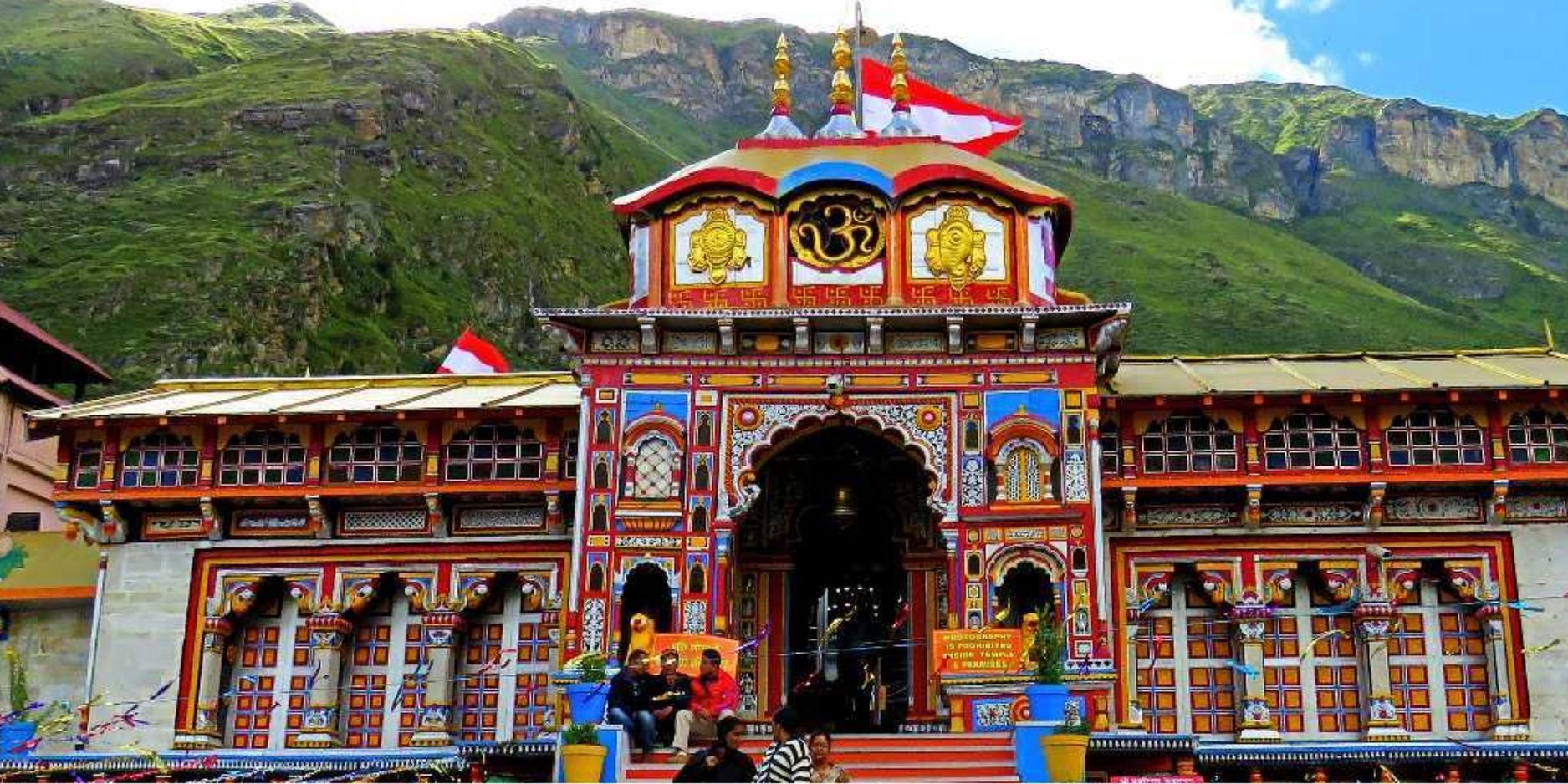
Badrinath Temple is the main landmark of the town and the heart of the yatra. The colourful temple stands beside the Alaknanda River with tall snow peaks in the background, giving the whole area a very divine feel. Inside the sanctum, devotees take darshan of Lord Badri Vishal, a form of Lord Vishnu. From early morning aarti till night, you can hear bells, bhajans and Vedic chants. Pilgrims sit on the steps, offer prasad and simply spend time in front of the temple, soaking in the peaceful and spiritual atmosphere.

Tapt Kund – Natural Hot Water Pool Before Darshan

Tapt Kund – Natural Hot Water Pool Before Darshan

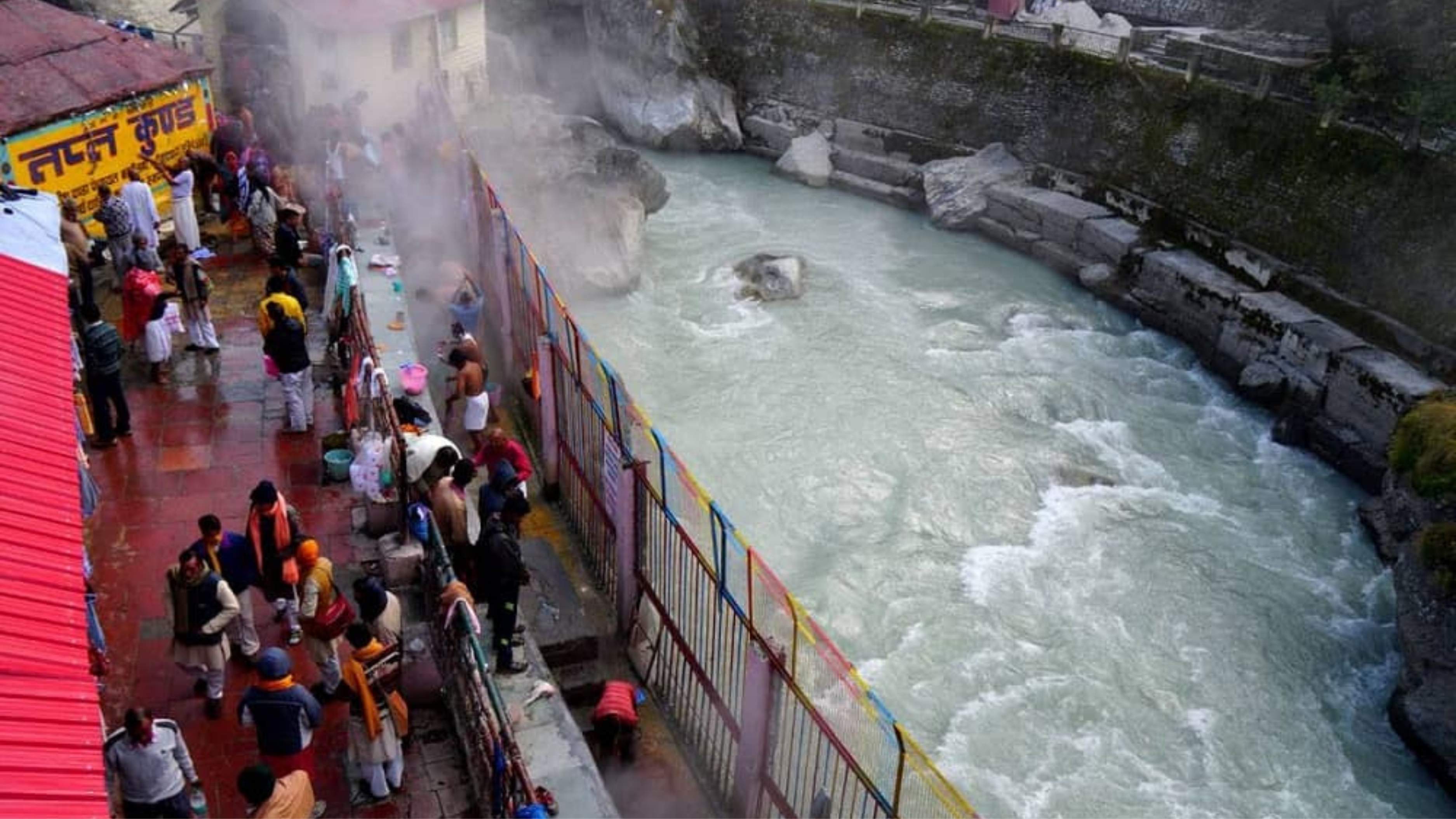
Tapt Kund is a natural hot spring located just below the steps of Badrinath Temple. In the cold mountain climate, the warm water feels very relaxing and comforting. Most pilgrims take a quick bath or at least sprinkle a little water on their head before going for darshan, as it is considered a simple form of purification. There are separate areas and railings to make entry easier. Steam rising from the pool, the sound of the river nearby and the temple above together create a very special start to the temple visit.

Narad Kund – Calm Corner of the Alaknanda

Narad Kund – Calm Corner of the Alaknanda

Narad Kund is a naturally formed pool in the Alaknanda River near Tapt Kund. The flow of water slows a bit at this point, creating a quiet corner in the middle of a strong mountain river. Local belief connects this spot with the discovery of the idol of Lord Badrinath, so it is treated with great respect. Visitors usually stand by the side, fold their hands and offer a short prayer. The cool air, the sound of the water and the simple stone surroundings give Narad Kund a very serene, meditative feel.

Brahma Kapal – Ghat for Ancestral Pujas

Brahma Kapal – Ghat for Ancestral Pujas

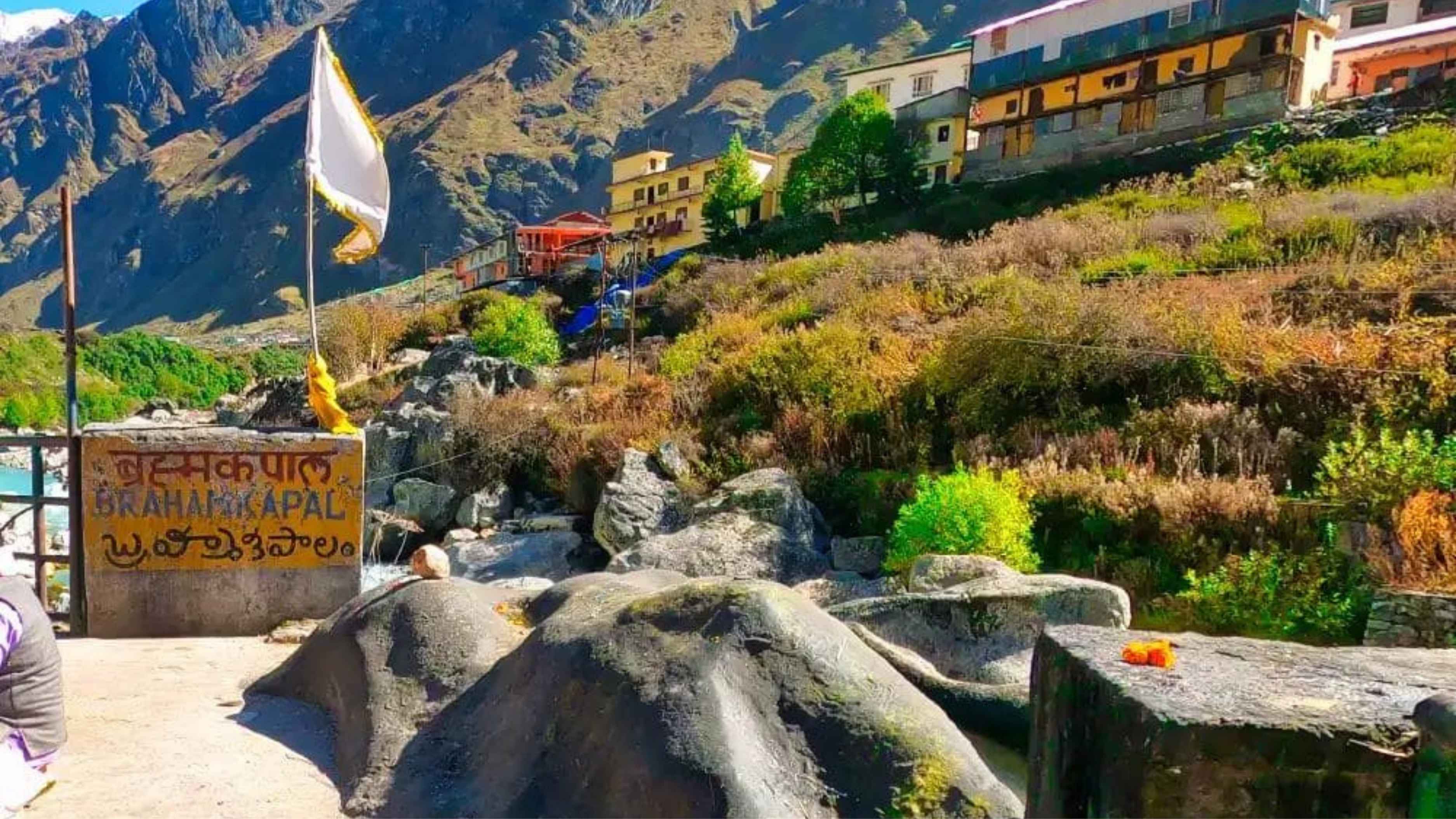
Brahma Kapal is a flat stone ghat on the banks of the Alaknanda, a short walk away from the main temple complex. This is a special place for performing shraddh and other rituals in memory of ancestors. Local priests guide families through the puja, while the river flows steadily by their side. The atmosphere here is quiet and emotional, with mantras being chanted and diyas being offered. Snowy mountains rise in the distance, adding to the sense of depth and peace. For many pilgrims, visiting Brahma Kapal completes their spiritual journey to Badrinath.

Mana Village – Last Village on the Indo–Tibet Route

Mana Village – Last Village on the Indo–Tibet Route

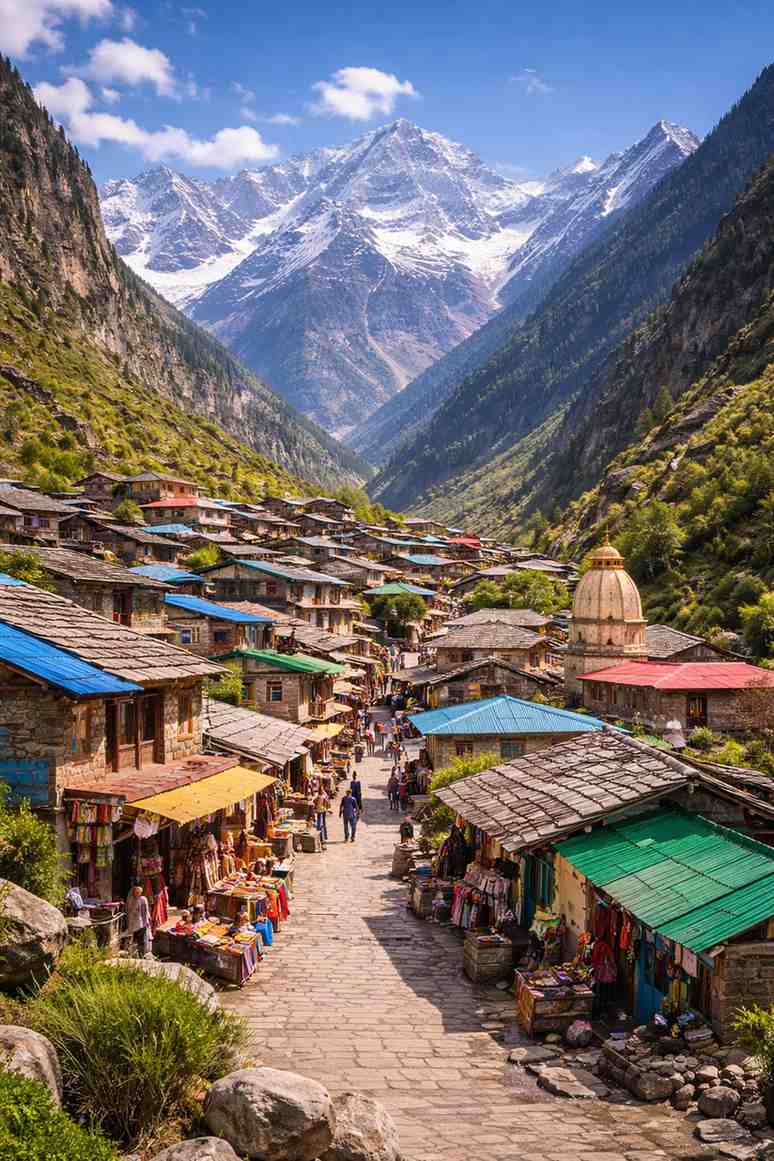
Mana is a small traditional village located a few kilometres from Badrinath, known as the “last village of India” on this border route. Stone houses, wooden balconies and narrow lanes give it a very rustic mountain character. As you walk through Mana, you can see villagers in their daily routine, small cafés serving tea and snacks, and shops selling woollen items and local products. Beautiful views of the river and mountains appear at almost every turn. The village also connects to many mythological spots, making it both a cultural and spiritual visit.

Vyas Gufa & Ganesh Gufa – Caves Linked to the Mahabharata

Vyas Gufa & Ganesh Gufa – Caves Linked to the Mahabharata

Near Mana village are two interesting caves, Vyas Gufa and Ganesh Gufa, which are closely linked with the story of the Mahabharata. Local tradition says that sage Vyasa dictated the epic from Vyas Gufa, while Lord Ganesha wrote it in Ganesh Gufa. Today, both caves have small temples and idols inside, decorated with simple lamps and offerings. A short climb up the steps leads you to these caves and opens up nice views of the valley below. The mix of rock walls, cool air and ancient stories gives this place a calm and thoughtful atmosphere.

Bheem Pul & Saraswati River – Natural Rock Bridge at Mana

Bheem Pul & Saraswati River – Natural Rock Bridge at Mana

Further along the path from Mana, you reach Bheem Pul, a huge rock lying across a narrow, fast-flowing channel of the Saraswati River. According to legend, Bhima placed this rock as a bridge so that the Pandavas and Draupadi could cross the river safely. The water rushes through the gorge below the stone with great force, creating a loud, constant sound. Visitors walk onto the rock to look down at the powerful current and enjoy the dramatic mountain scenery. It is a favourite spot for photos and for feeling the raw energy of the river.

Vasudhara Falls – Scenic High-Altitude Waterfall Trek

Vasudhara Falls – Scenic High-Altitude Waterfall Trek

Vasudhara Falls is a tall and elegant waterfall that can be reached by a high-altitude trek starting beyond Mana village. The trail is rocky but very scenic, with open views of deep valleys and snow-covered peaks on the way. From a distance, the waterfall looks like a white stream dropping from the top of a high cliff. The area around Vasudhara is usually quiet, with only the sound of falling water and mountain wind. This place is best suited for travellers who enjoy walking and want to add a bit of adventure to their Badrinath yatra.

Charan Paduka – Short Trek to a Sacred Footprint Rock

Charan Paduka – Short Trek to a Sacred Footprint Rock

Charan Paduka is a rocky ledge on the slope above Badrinath, reached by a moderate uphill trek. The path climbs steadily, so you may need small breaks, but the effort is rewarded with wide views of the town and the valley. At the top, a small shrine is built around a rock which is believed to bear the footprints of Lord Vishnu. Devotees offer flowers and prayers here and spend some time enjoying the scenery. The combination of light trekking, fresh air and spiritual feeling makes Charan Paduka a pleasant half-day outing.

Neelkanth Peak View – Sunrise View of the Snowy Himalayan Peak

Neelkanth Peak View – Sunrise View of the Snowy Himalayan Peak

Neelkanth is the majestic snow-covered peak that forms the famous backdrop of Badrinath. You don’t need to climb it to enjoy it—many places near the temple, river and market offer clear views of the mountain. The best time to see Neelkanth is early morning, when the first rays of the sun turn the snowy face golden for a short while. On clear days, this view looks stunning and is one of the most photographed scenes of Badrinath. The shining peak behind the colourful temple creates a picture that visitors remember long after the journey.

Yog Dhyan Badri (Pandukeshwar) – Peaceful Temple on the Route

Yog Dhyan Badri (Pandukeshwar) – Peaceful Temple on the Route

Yog Dhyan Badri Temple is located at Pandukeshwar, a small village on the road between Joshimath and Badrinath. Here Lord Vishnu is worshipped in a meditative posture, which gives the temple a very calm and thoughtful character. The surroundings are quiet, with traditional houses, terraced fields and green hills. Because it is away from the main crowds, the temple often feels peaceful and unhurried. Many pilgrims like to stop here for darshan on the way, spend a few minutes in silence and then continue their journey towards Badrinath.

Alaknanda Riverside & Badrinath Market – Evening Walk and Local Life

Alaknanda Riverside & Badrinath Market – Evening Walk and Local Life

Around Badrinath Temple, the small market and riverside area form the social centre of the town. Narrow lanes are lined with shops selling prasad, photos of the temple, woollen caps, gloves, shawls and simple souvenirs. Small eateries and dhabas serve hot tea, parathas, noodles and local dishes that taste especially good in the cold weather. After darshan, many visitors enjoy a slow walk along the Alaknanda, listening to the sound of the river and watching the temple lights from a distance. It is a relaxed way to end the day and feel the everyday life of this Himalayan pilgrimage town.